Loading...

The Project

The Project
By

The Project Identity

Logo Bonelli RBG EN

Project title: Conservation & Management of the Bonelli's eagle population in east Mediterranean
Project code: LIFE17 NAT/GR/000514
Duration: 1/9/2018 – 28/2/2023
Coordinating beneficiary: University of Crete - Natural History Museum of Crete
Associated beneficiaries: Game and Fauna Service (Game Fund) - Cyprus, Hellenic Ornithological Society/BirdLife Greece, Ministry of Environment & Energy, Department of Forests - Cyprus, NCC Environmental Studies Ltd - Greece
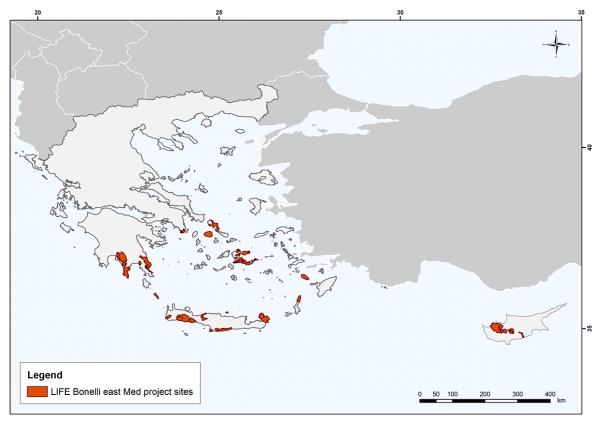
Project sites: 22 Natura 2000 sites (SPAs) in Greece (Crete, Peloponnese, Attica, Cyclades island complex, Dodecanese island complex) & Cyprus
Funding: European Commission, Green Fund, A.G. Leventis Foundation
Total project budget: 4,235,584 €
EU financial contribution: 3,174,403 € (75% of total eligible budget)

More
By

Objectives

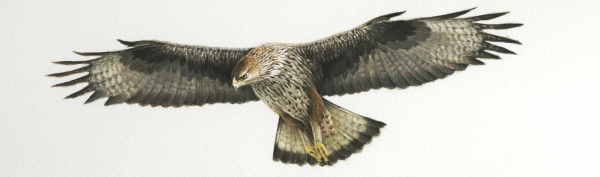
The LIFE Bonelli eastMed Project will address the most critical threats to Bonelli’s eagle populations in Greece and Cyprus. The overall objective is to ensure the long-term favourable conservation status for the species’ interconnected local populations, through the establishment and operation of the East Mediterranean Bonelli’s Eagle Network (EMBoNet).

tilos tdimalexis ncc  dsc00111 hos nikostsiopelas

Project Objectives:

  • Filling current knowledge gaps, especially the lack of telemetry data that prevents a spatial assessment of mortality and population dynamics
  • Reducing direct mortality inside breeding areas in Natura 2000 sites (SPAs) in Greece and Cyprus
  • Improving the species’ reproduction success by foraging habitat management and reducing human disturbance
  • Improving the technical and operational capacity of nature authorities and other stakeholders, so that they can more effectively manage the species’ populations
  • Improving the awareness of stakeholders and specific target groups for the sustainable conservation of the species
  • Planning and implementing an effective transferability and replicability strategy for EMBoNet

unknown locality observation

More
By

Project sites

ATTICA

Legraina area - Patroklos islet GR3000014 SPA / GR3000005 SCI

1 Sounio RoulaTrigou

Photo: © Roula Trigou / HOS-BirdLife Greece

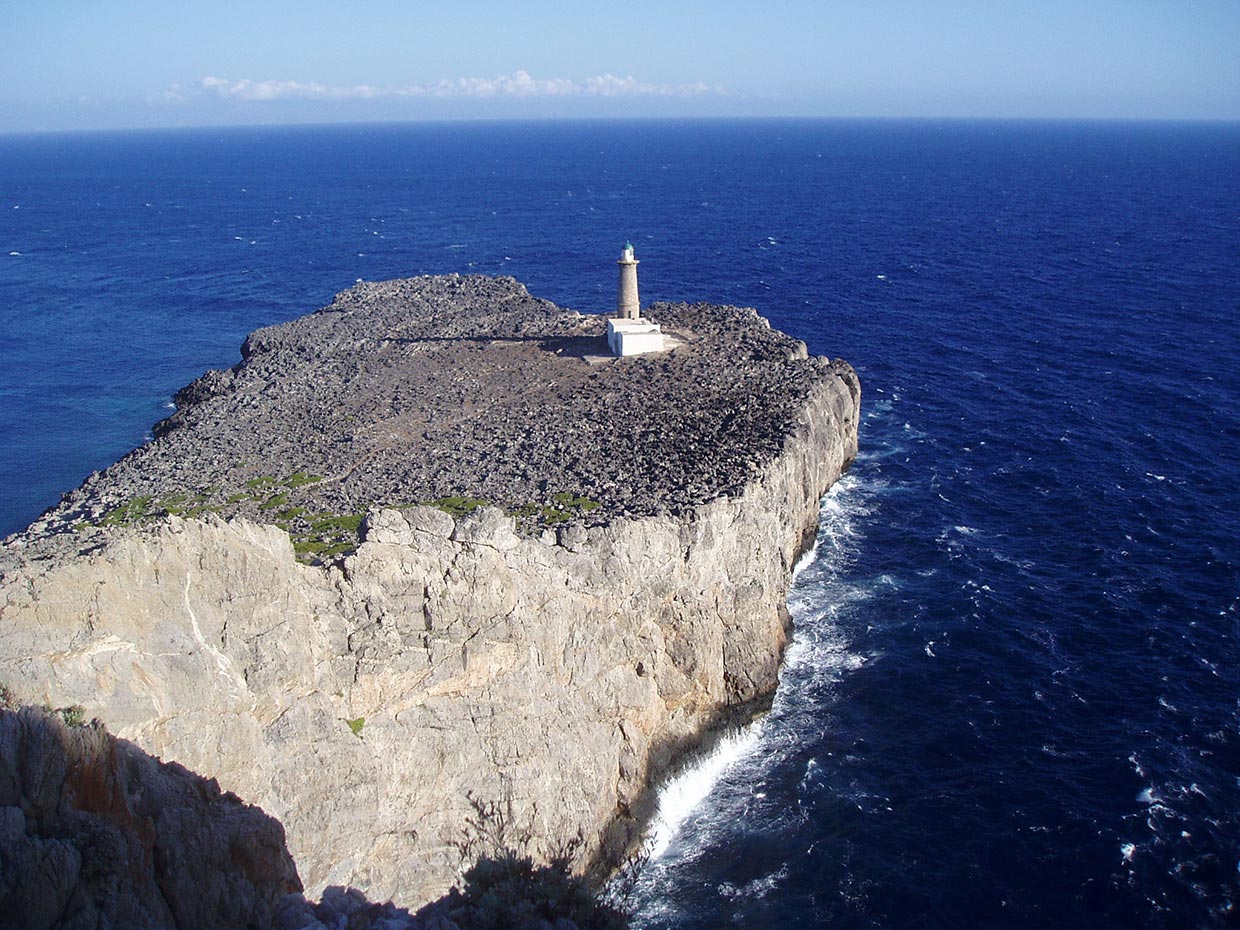
Antikythira Island and Islets Prasonisi, Lagouvardos, Plakoulithra and islets Thumonies GR3000012 SPA / GR3000008 SCI

4 Antikythira AngelosEvaggelidis

Photo: © Angelos Evangelidis / HOS-BirdLife Greece


PELOPONNESE

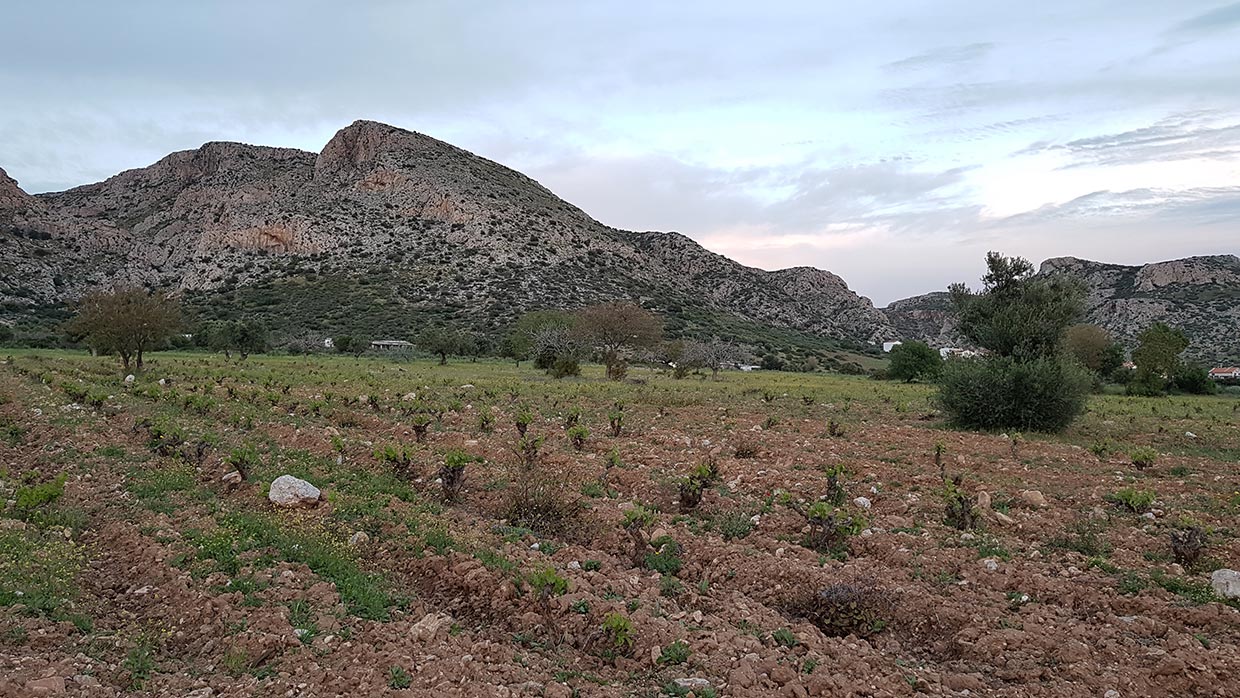
Mountains of East Laconia GR2540007 SPA

3 Ori Anatolikis Lakonias NTsiopelas

Photo: © Nikos Tsiopelas / HOS-BirdLife Greece

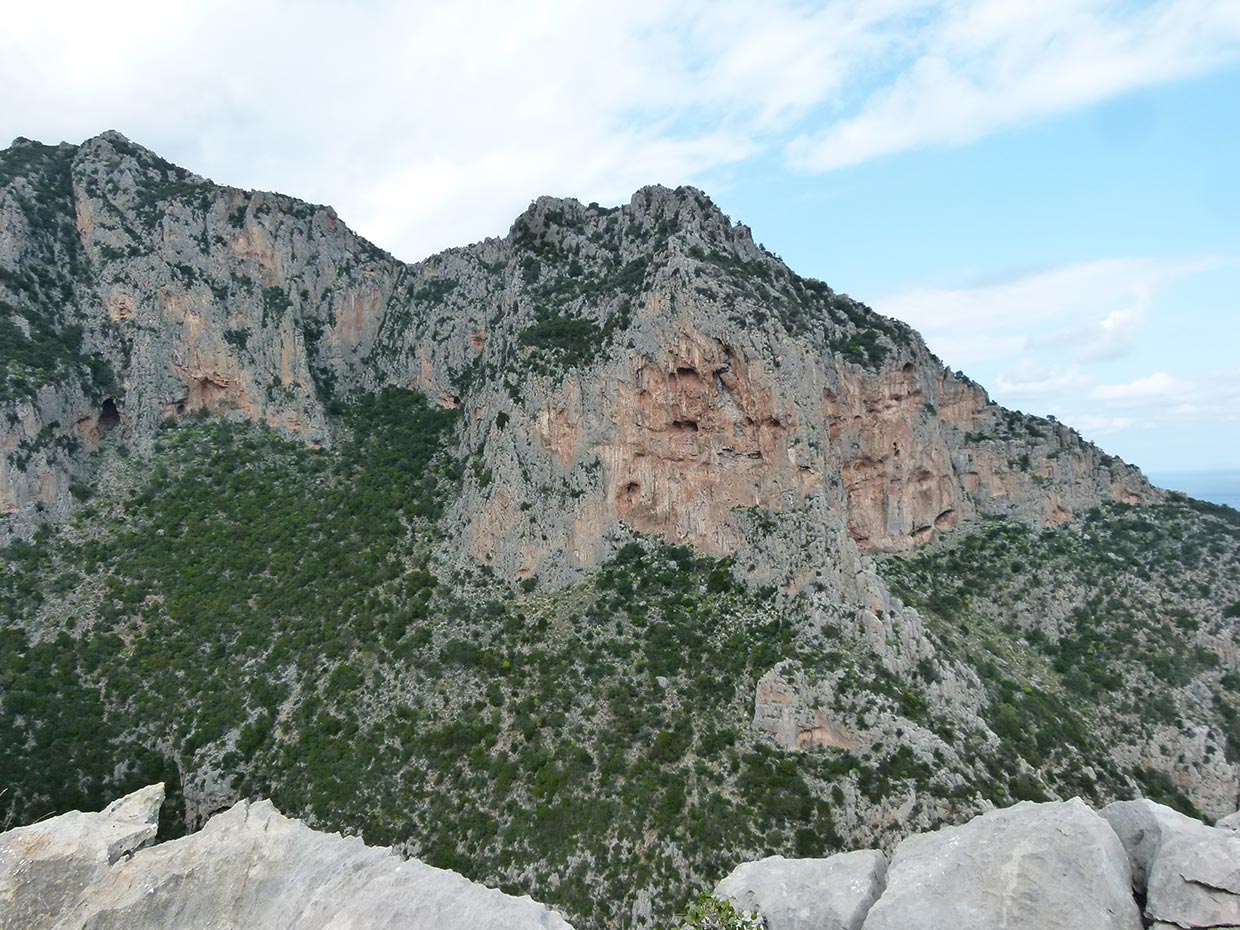
South Mani GR2540008 SPA / GR2540001 SCI  

2 Τοπιο Μανης ΝικοςΤσιοπελας

Photo: © Nikos Tsiopelas / HOS-BirdLife Greece

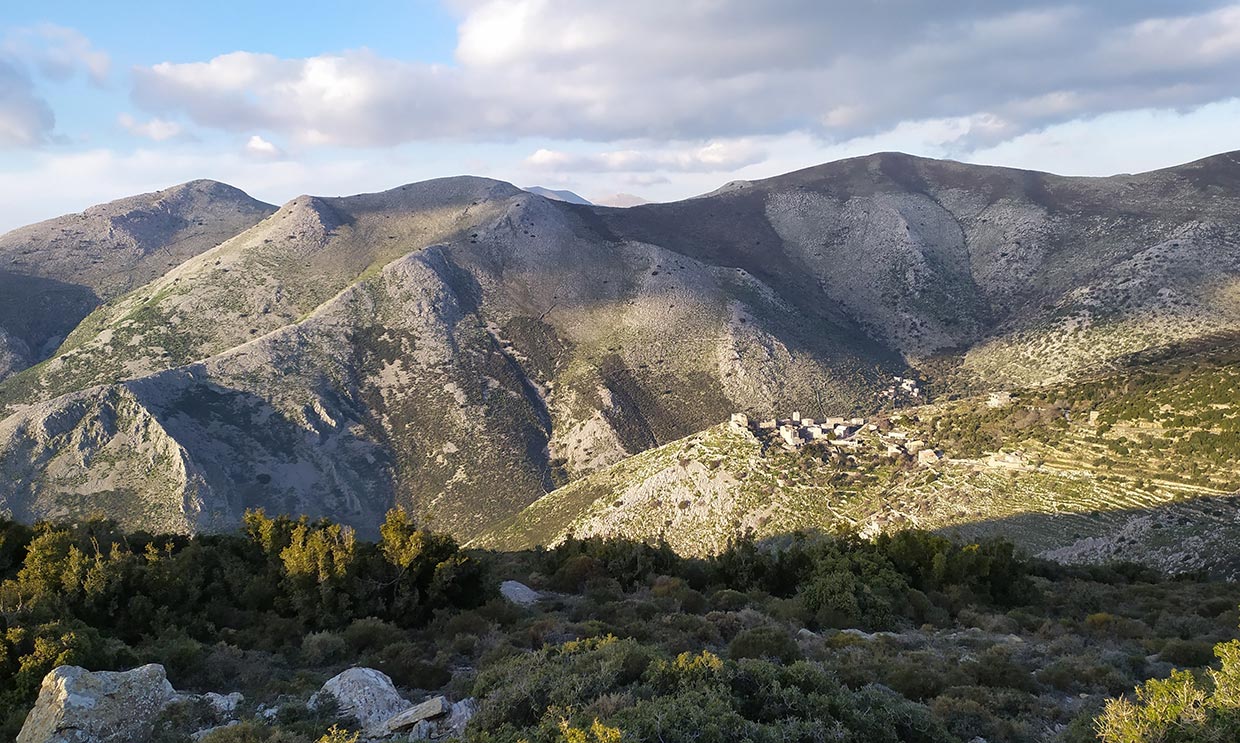
Mt Taygetos - Lagkada Trypis  GR2550009 SPA / GR2550006 GR2540005 SCI

5 Taygetos NTsiopelas

Φωτ.: © Νίκος Τσιόπελας / Ελληνική ΟΡΝΙΘΟΛΟΓΙΚΗ Εταιρεία

CYCLADES - DODECANESE

Tilos Island and islets: Antitilos, Pelekousa, Gaidouronisi, Giakoumis, Agios Andreas, Prassouda, Nisi GR4210024 SPA

6 Tilos TDimalexis NCC (2)

Photo.: © Tasos Dimalexis / NCC

Island of Gyaros & marine area GR4220033 SPA/SCI

7 Gyaros DanaePortolou

Photo: © Danae Portolou / HOS-BirdLife Greece

North Karpathos Island and Saria & coastal marine zone  GR4210003 SPA/SCI

8 Karpathos TasosDimalexis

Photo.: © Tasos Dimalexis / NCC   

Irakleia Island, Islets Makares, Mikros & Megalos Avelas, Islet Venetiko Irakleias  GR4220021 SPA / GR4220013 SCI

9 Βραχονησίδα ΜικρόςΆβελας ΓιάννηςΓαβαλάς

Photo.: © Giannis Gavalas / HOS-BirdLife Greece

Andros: Central and South part, islets and coastal - marine zone  GR4220028 SPA

10 Andros TDimalexis NCC

Photo.: © Tasos Dimalexis / NCC

Naxos: Mt Anathematistra, Koronos, Mavrovouni, Zas, Viglatouri  GR4220026 SPA

11 Naxos NikosProbonas NCC (2)

Photo.: © Nikos Probonas / NCC


CRETE

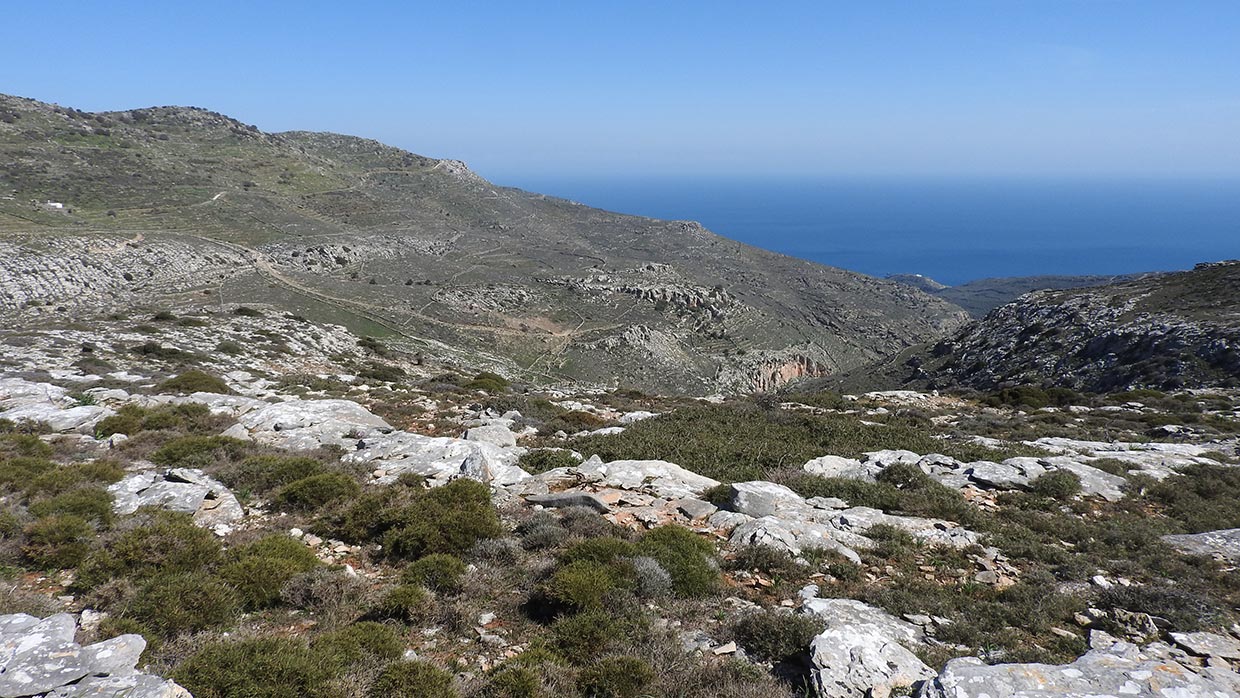
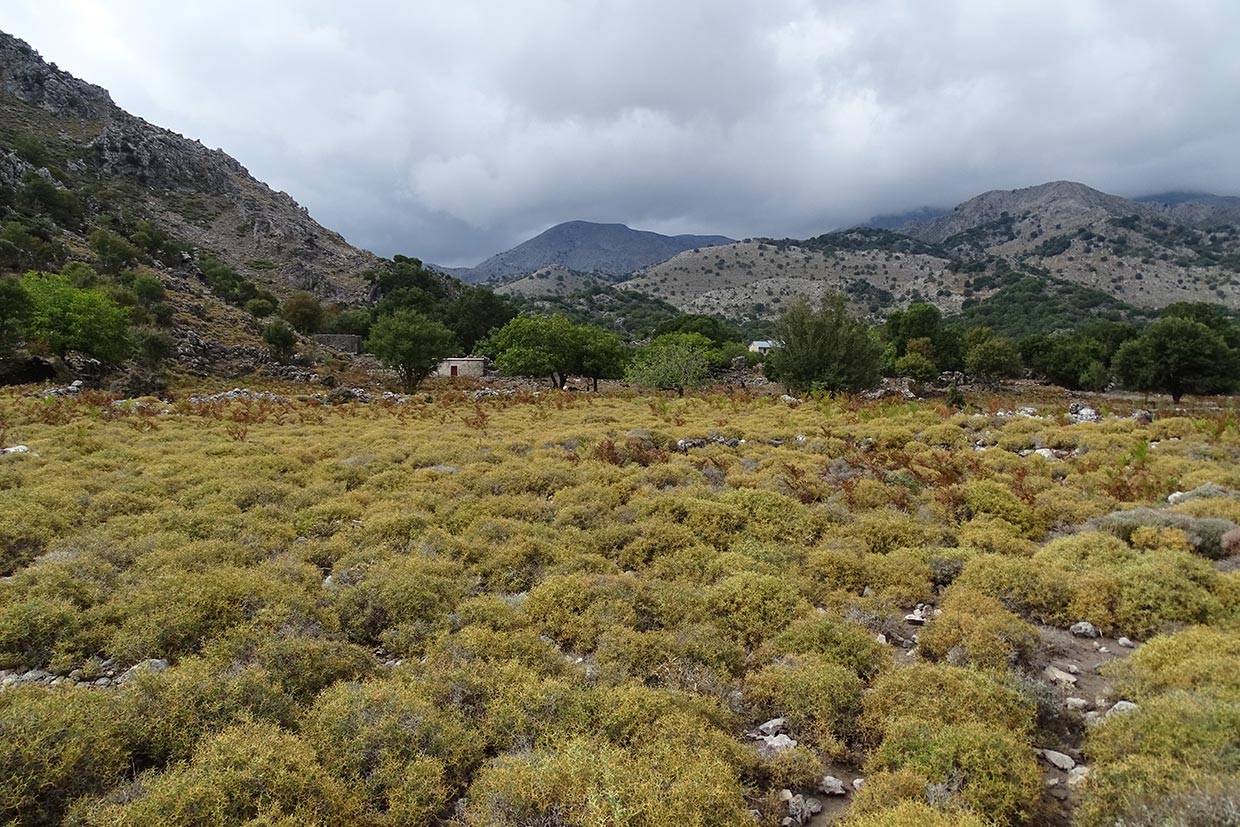
Prassano Gorge GR4330008 SPA / GR4330004 SCI

12 GR15 Prasano DSC02513

Photo: © Natural History Museum of Crete

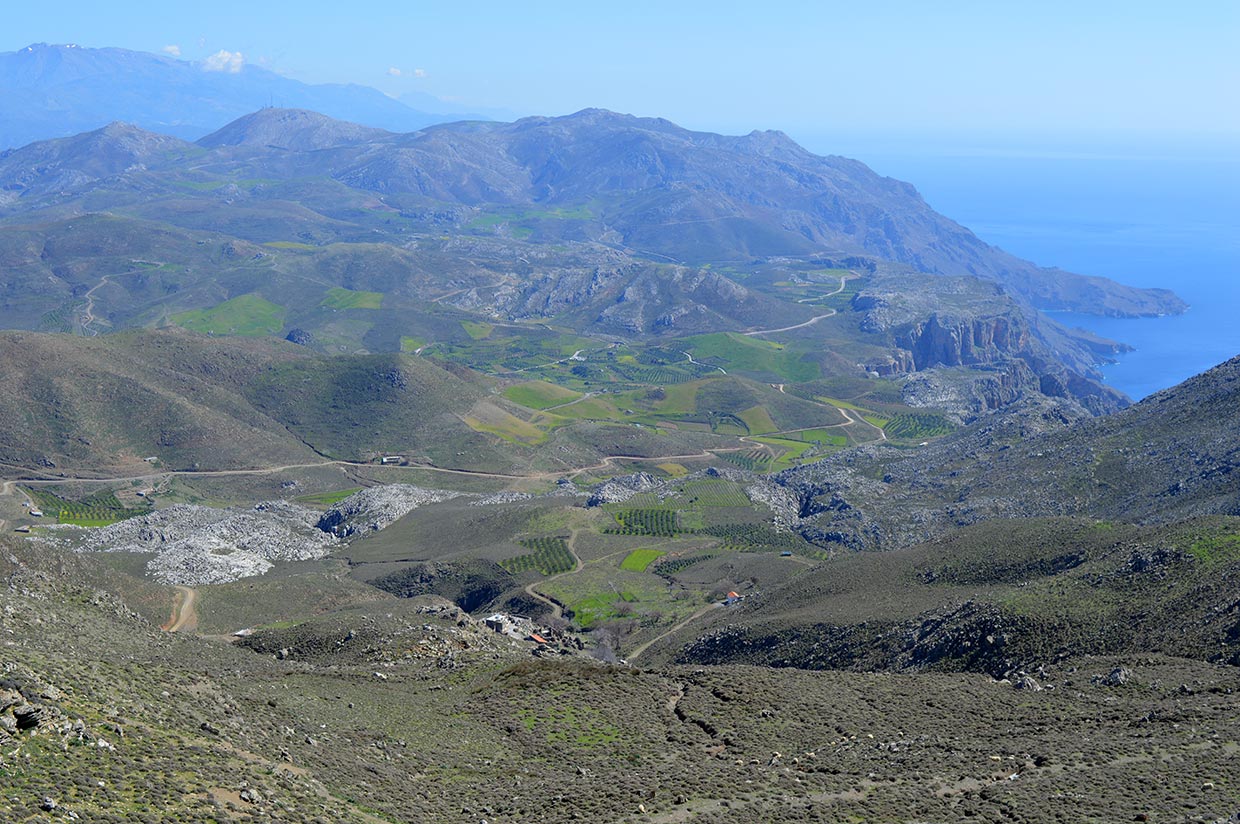
Mt Asteroussia (Kofinas) GR4310013 SPA / GR4310005 SCI

13 GR13 Asterousia general view DSC 0076

Photo: © Natural History Museum of Crete

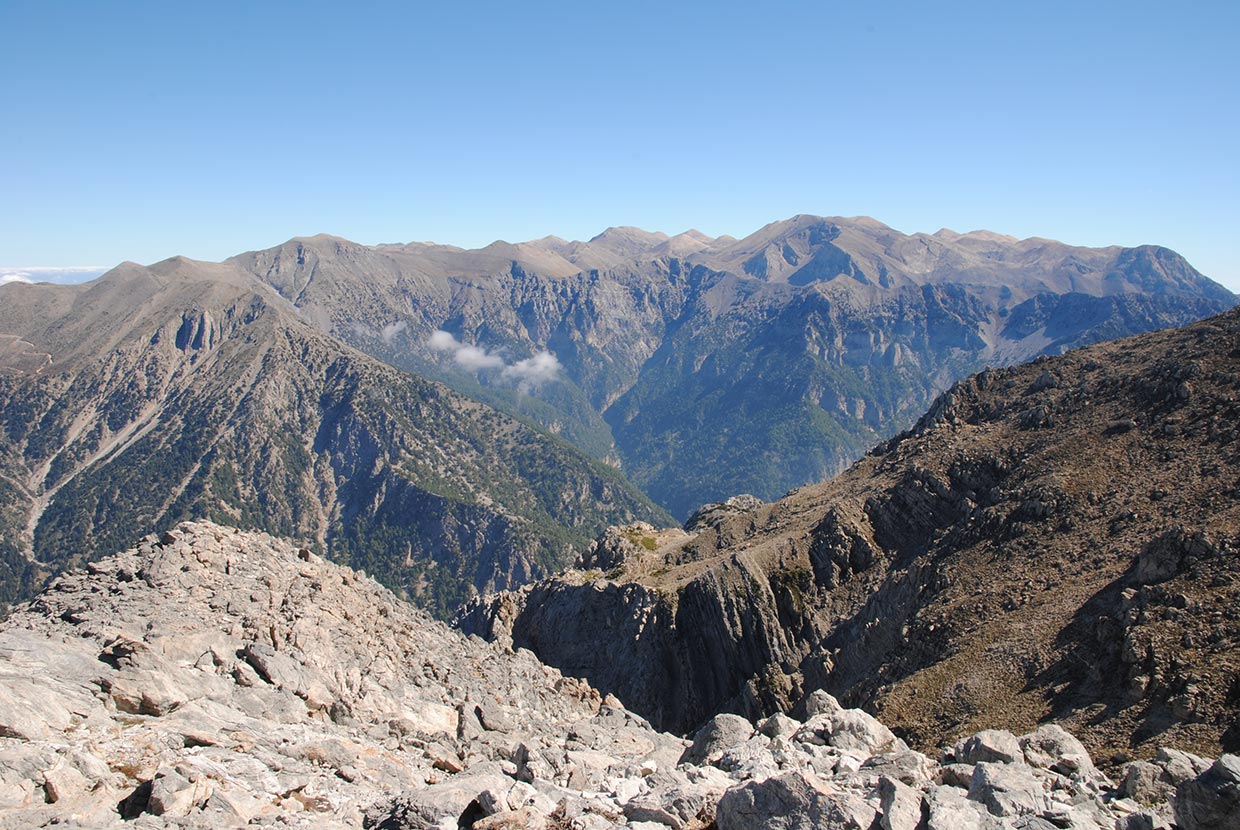
Samaria National Park - Trypiti Gorge - Psilafi – Koustogerako GR4340014 SPA / GR4340008 SCI

14 GR16 Lefka Ori 111668 DSC 0868 Fassoulas Charalambos

Photo: © Charalambos Fassoulas / Natural History Museum of Crete

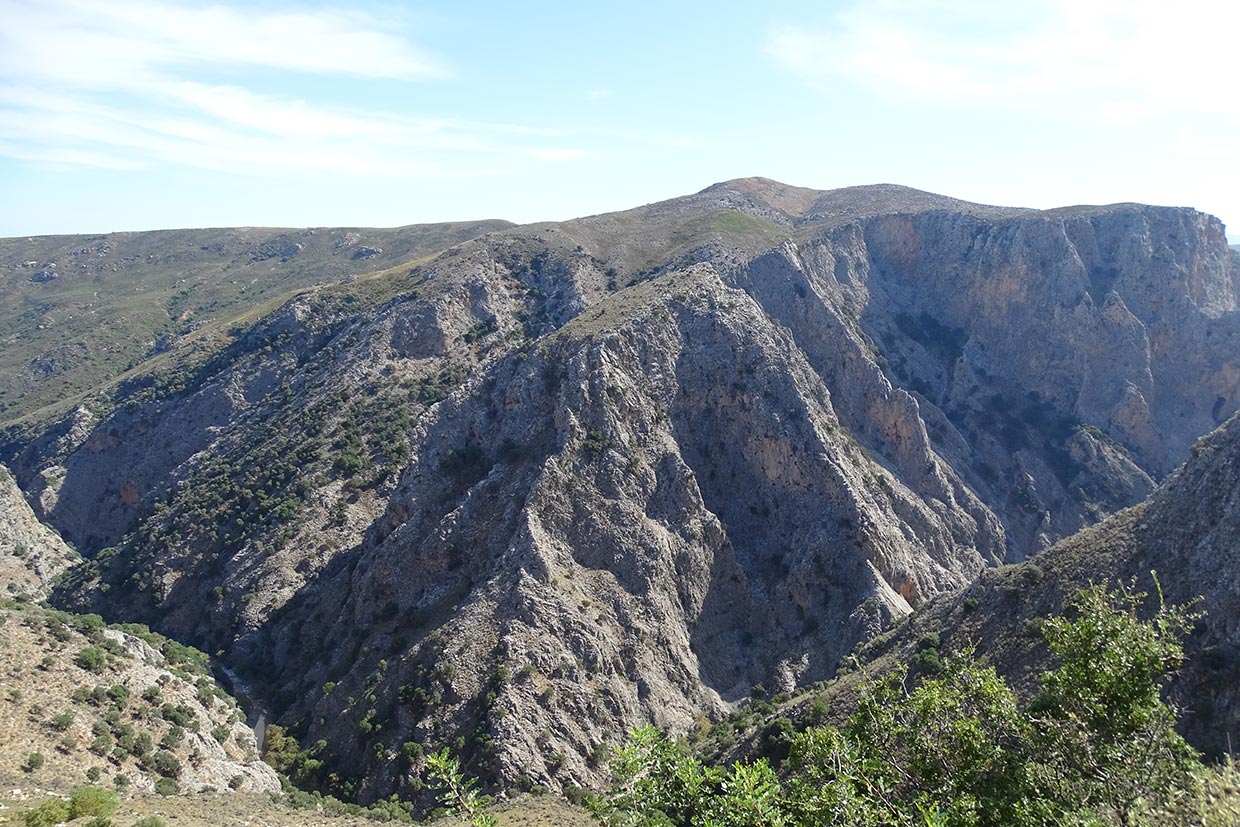
Kallikratis & Ergouliano Gorges, Manika Plain   GR4340019 SPA / GR4340012 SCI

15 GR18 Kallikratis DSC02595

Photo: © Natural History Museum of Crete

Meterizia, Agios Dikaios - Tsounara - Vitsilia of Lefka Ori Mt   GR4340016 SPA

16 GR17 Agios Dikaios DSC03063

Photo: © Natural History Museum of Crete

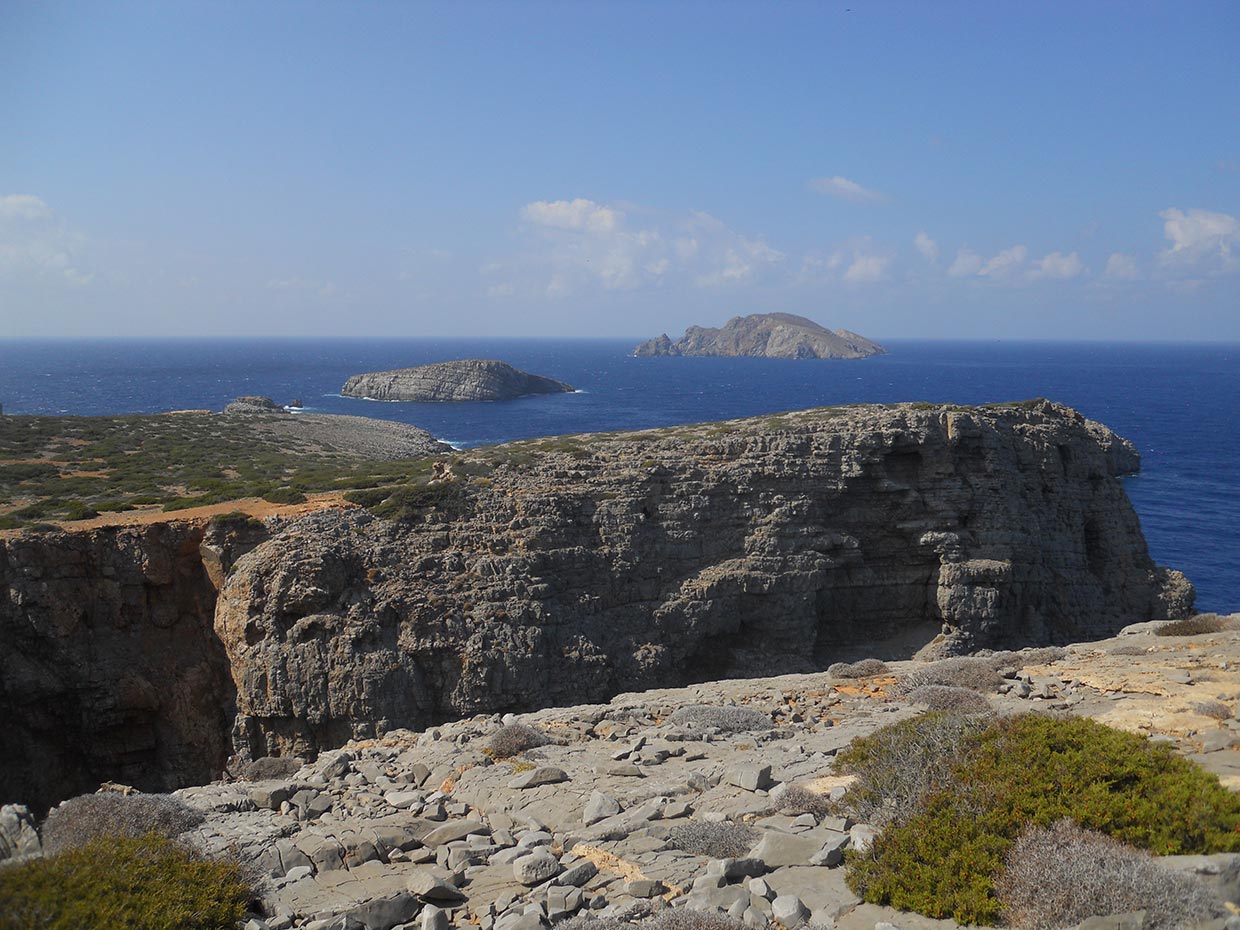
Dionusades island complex GR4320011 SPA / GR4320006 SCI

17 GR14 Dionysades DSCN6013

Photo: © Natural History Museum of Crete

Dia Island GR4310003 SPA/SCI

18 GR12 Dia 78700 P6050115 NHMC Dretakis Michalis

Photo: © Michalis Dretakis / Natural History Museum of Crete

CYPRUS

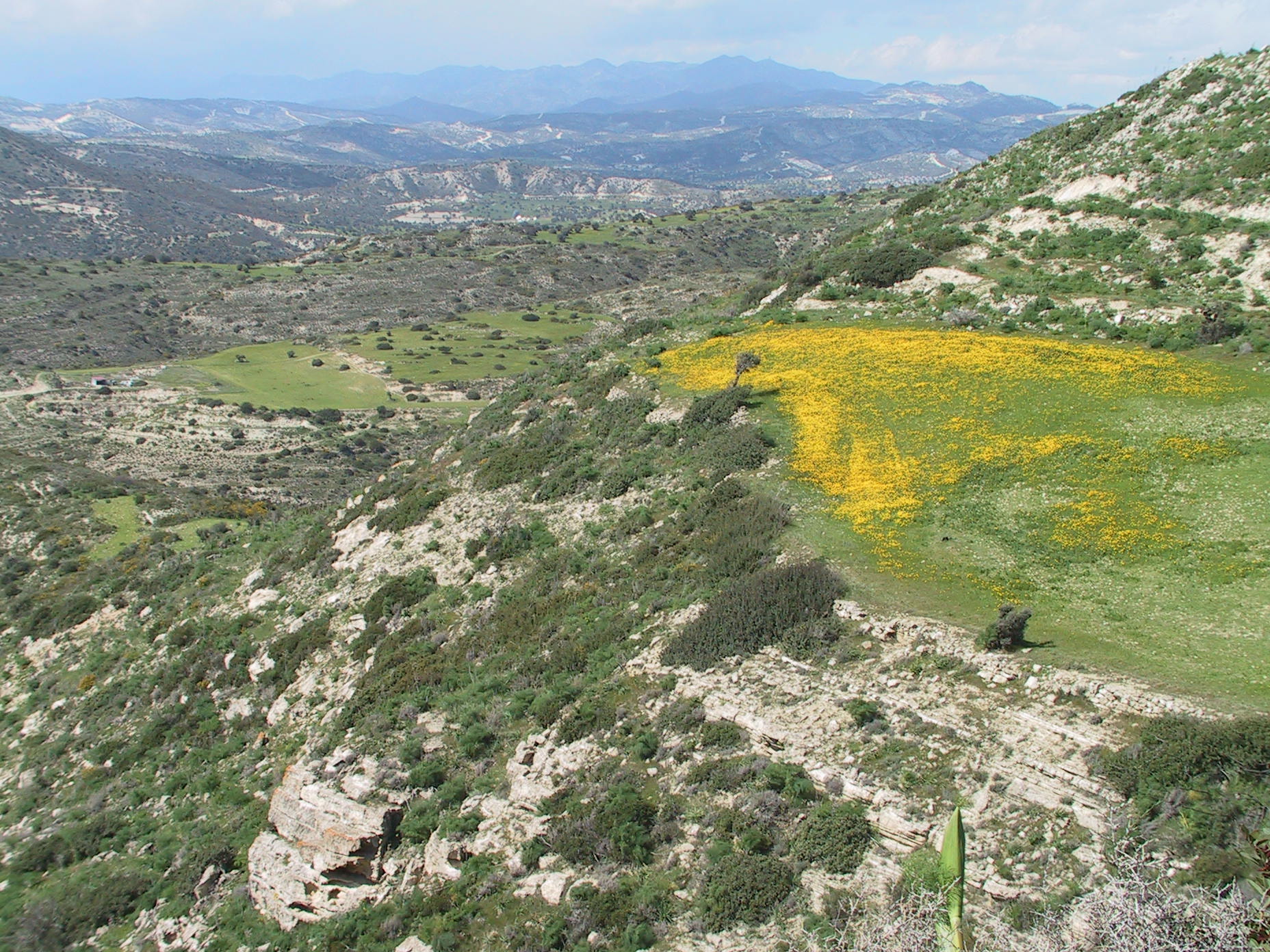
Potamos Pentaschinos CY6000008 SPA

19 Pentasxoinos Cyprus YpiresiaThiras

Photo.: © Game and Fauna Service of Cyprus

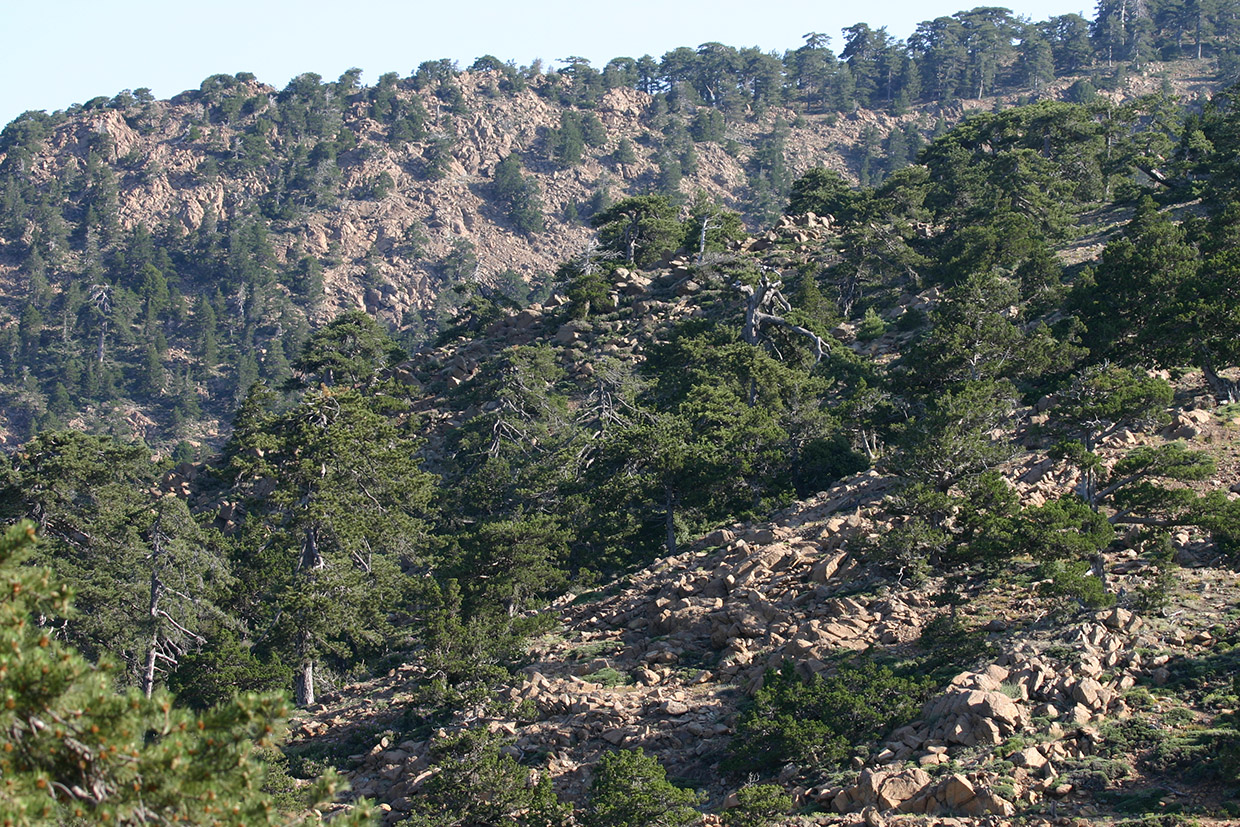
Mountain peaks Madaris - Papoutsas CY2000015 SPA

20 Madari Papoutsa Cyprus YpiresiaThiras

Photo.: © Game and Fauna Service of Cyprus

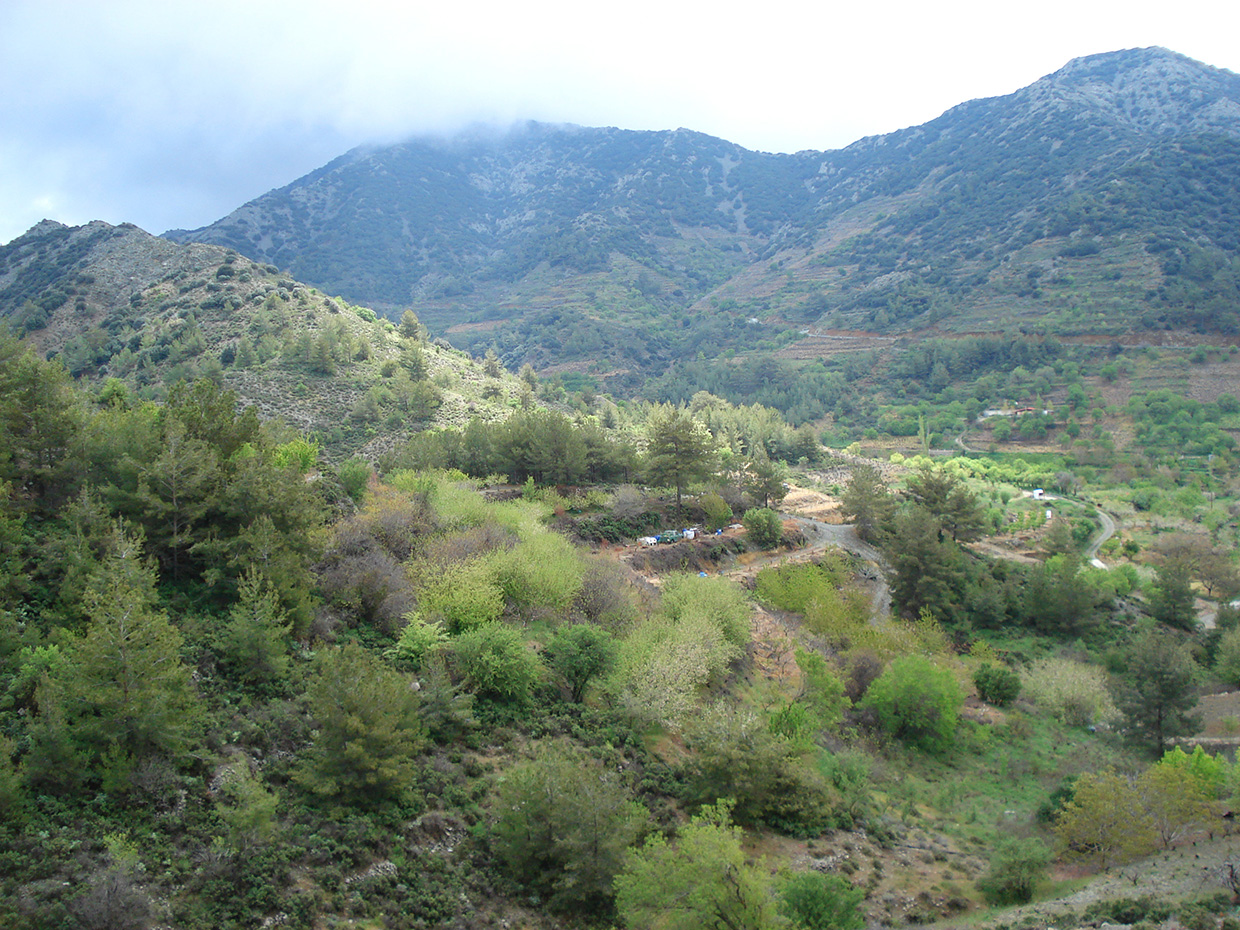
National Forest of Troodos CY5000004 SCI/SPA

21 Troodos Cyprus YpiresiaThiras

Photo.: © Game and Fauna Service of Cyprus

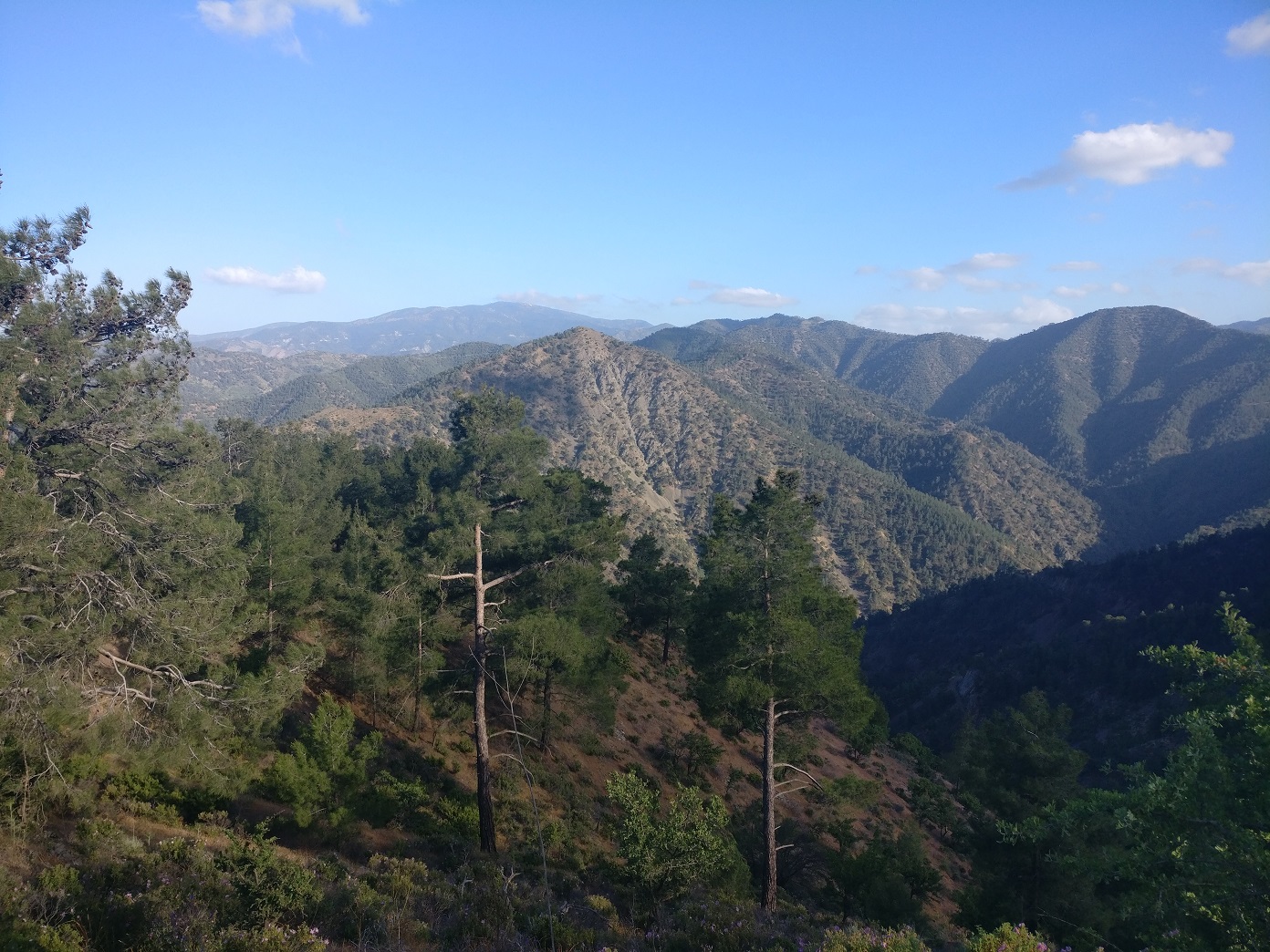
Pafos Forest CY2000006 SPA

22 Dasos Pafou Cyprus YpiresiaThiras

Photo.: © Game and Fauna Service of Cyprus

More
By

Project actions

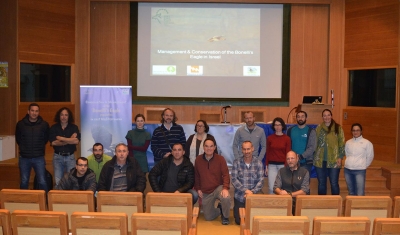
20181126 portela

Preparatory actions include seminars in order to ensure project partnership members’ upskilling, in a) species monitoring methodology b) implementation of management and conservation actions and c) involvement of stakeholders. They also foresee the preparation of the relevant Operational Plans that will be used in a) species monitoring in the breeding and dispersal areas, b) monitoring of threats for the species, as well as the production of a Replicability and Transferability Plan.

More in detail, the preparatory actions that are going to be implemented are:

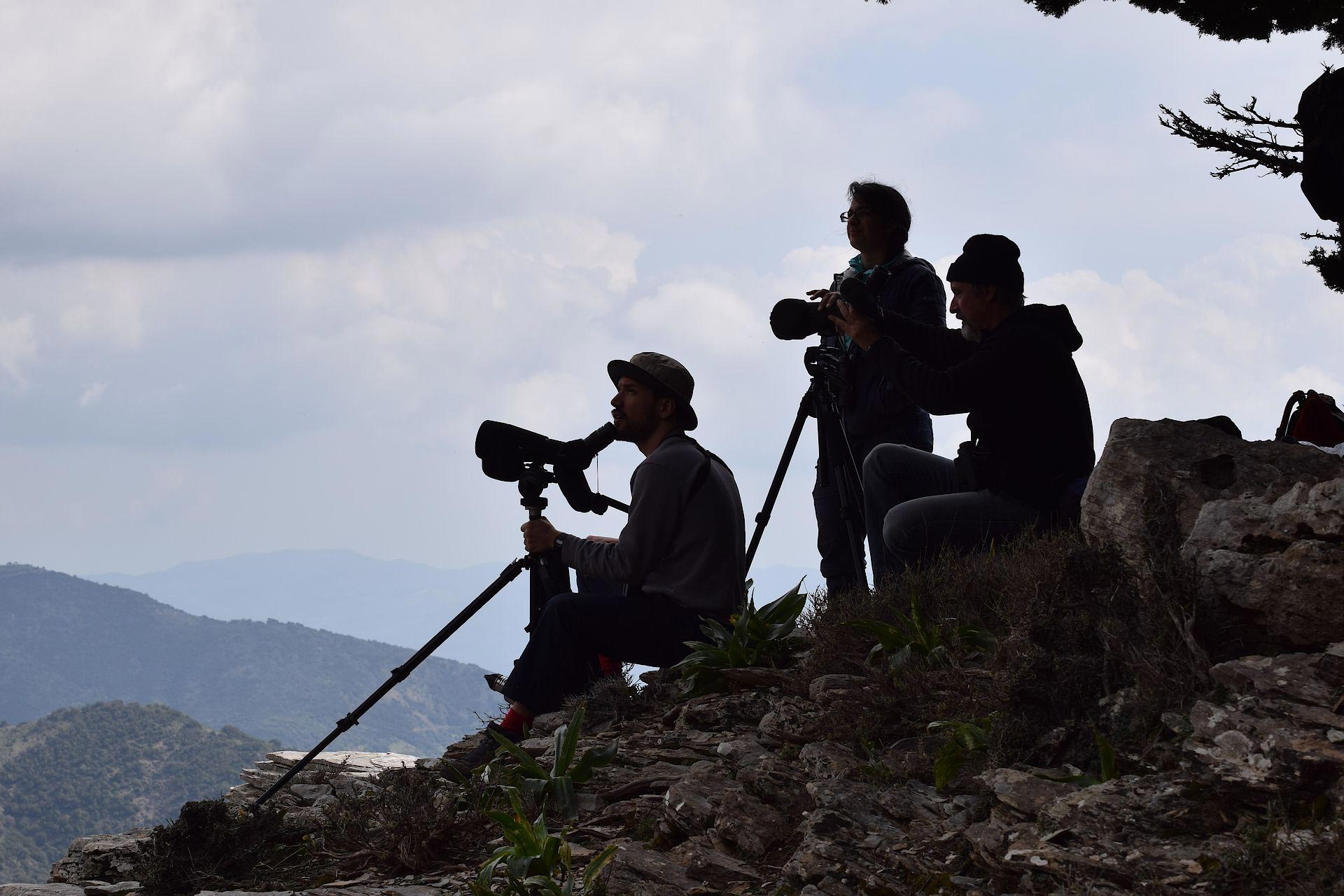
  1. Collection of data on demographic parameters (population census, age-structure, survival rate) in the countries of the east Mediterranean while in parallel aspects of the species ecology and antagonistic relationships with other raptor species such as Golden Eagle are going to be surveyed.
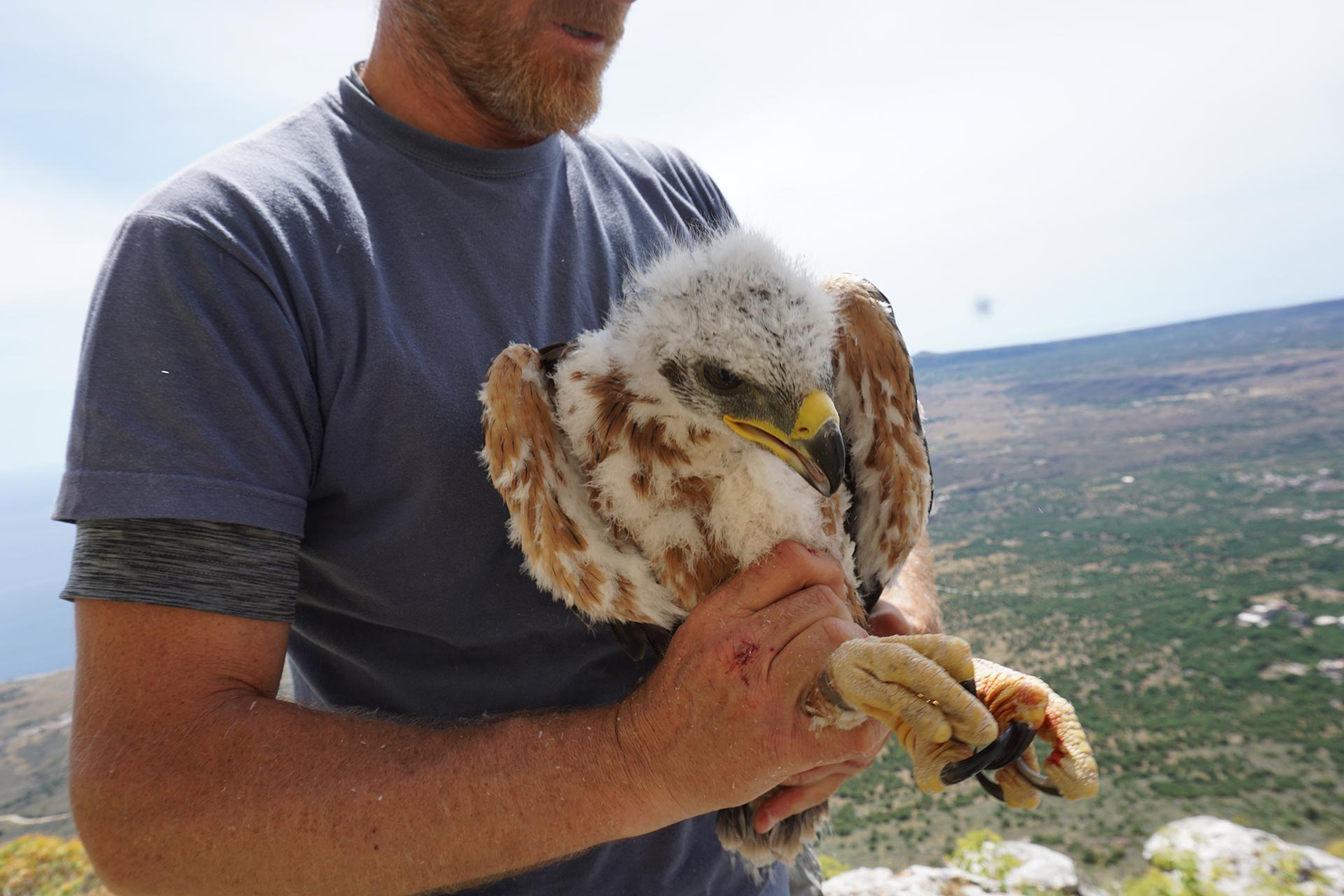
  2. Collection of data regarding spatial use patterns of both adult and immature individuals in the region, identification of suitable breeding areas and monitoring of the dispersal movements of juvenile Bonelli’s Eagles in order to achieve this an extended us of telemetry activities is going to take place A total of more than 100 individuals is expected to be monitored through telemetry by the end of the project
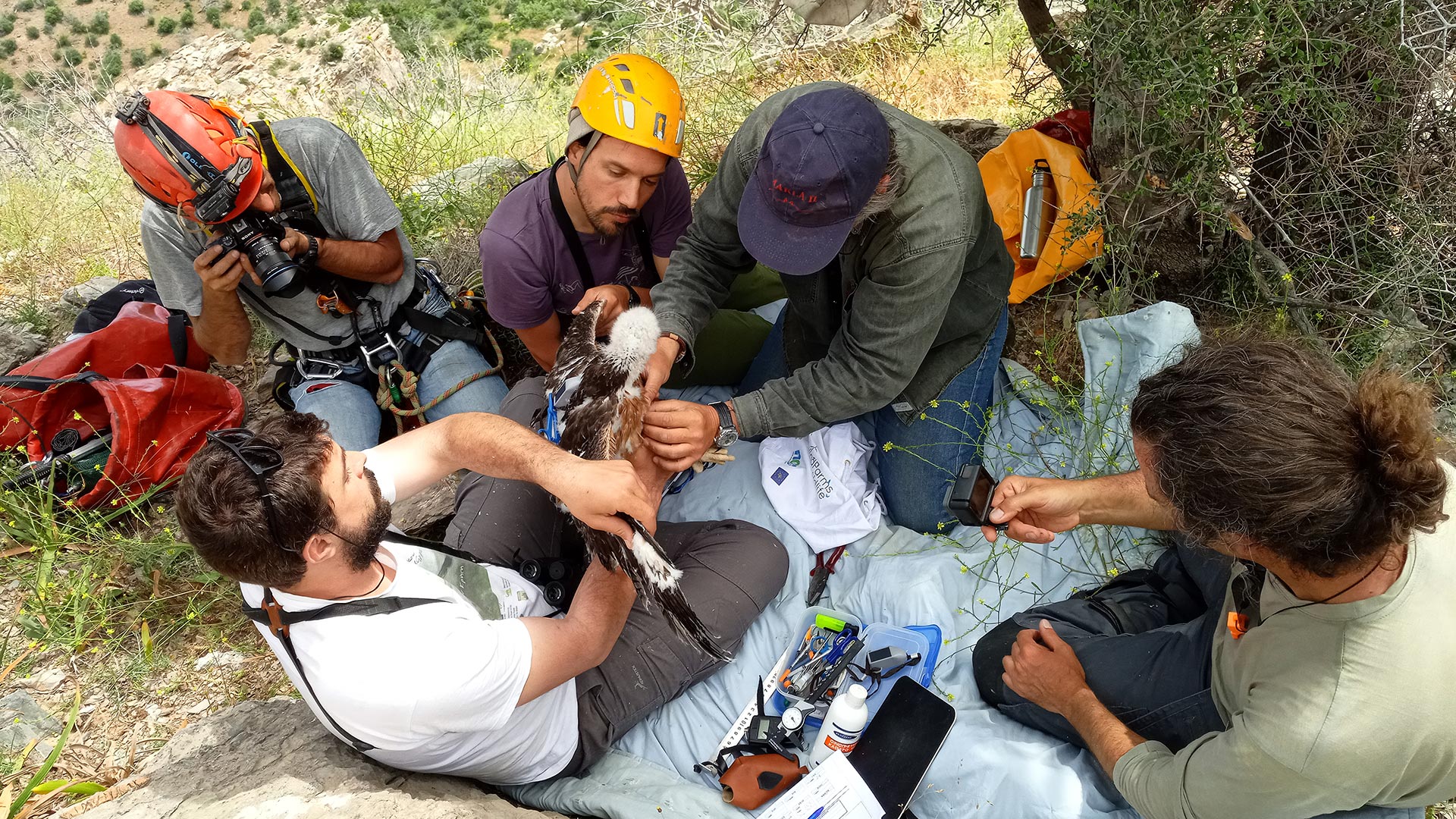
  3. Collection of somatometric measurements as well as blood samples in order to investigate the species’ connectivity between eastern Mediterranean countries. In addition the diet of the species is going to be surveyed in order to identify the details of its feeding ecology.
  4. Collection of data on the disturbance that occurs within breeding areas
  5. Estimation of the food availability in both breeding and dispersal areas and toxicological analysis of samples taken by prey-species in order to investigate the occurrence of residues.
  6. Sensitivity mapping in order to identify sensitive areas for the Bonelli’s Eagle in Greece and Cyprus and which will allow fine-tuning of the implementation of Actions C, through determination of appropriate buffering distances to apply to the distributional data for the Bonelli’s eagle and other priority bird species.

20200129 sunantisi dedhe lifebobelli

Actions for the reduction of disturbance

In order to ensure the reduction of human-induced disturbance at the Bonelli’s Eagle breeding sites, the project has planned the implementation of the following actions:

  1. Surveillance of nesting sites by the relevant environmental authorities in order to collect information on the source and intensity of disturbance, as well as its prevention with immediate action when this is considered necessary.
  2. Restriction of road access to dirt roads that are passing close to nests, in order to reduce disturbance and human activities thus improving breeding success for the nesting eagles.
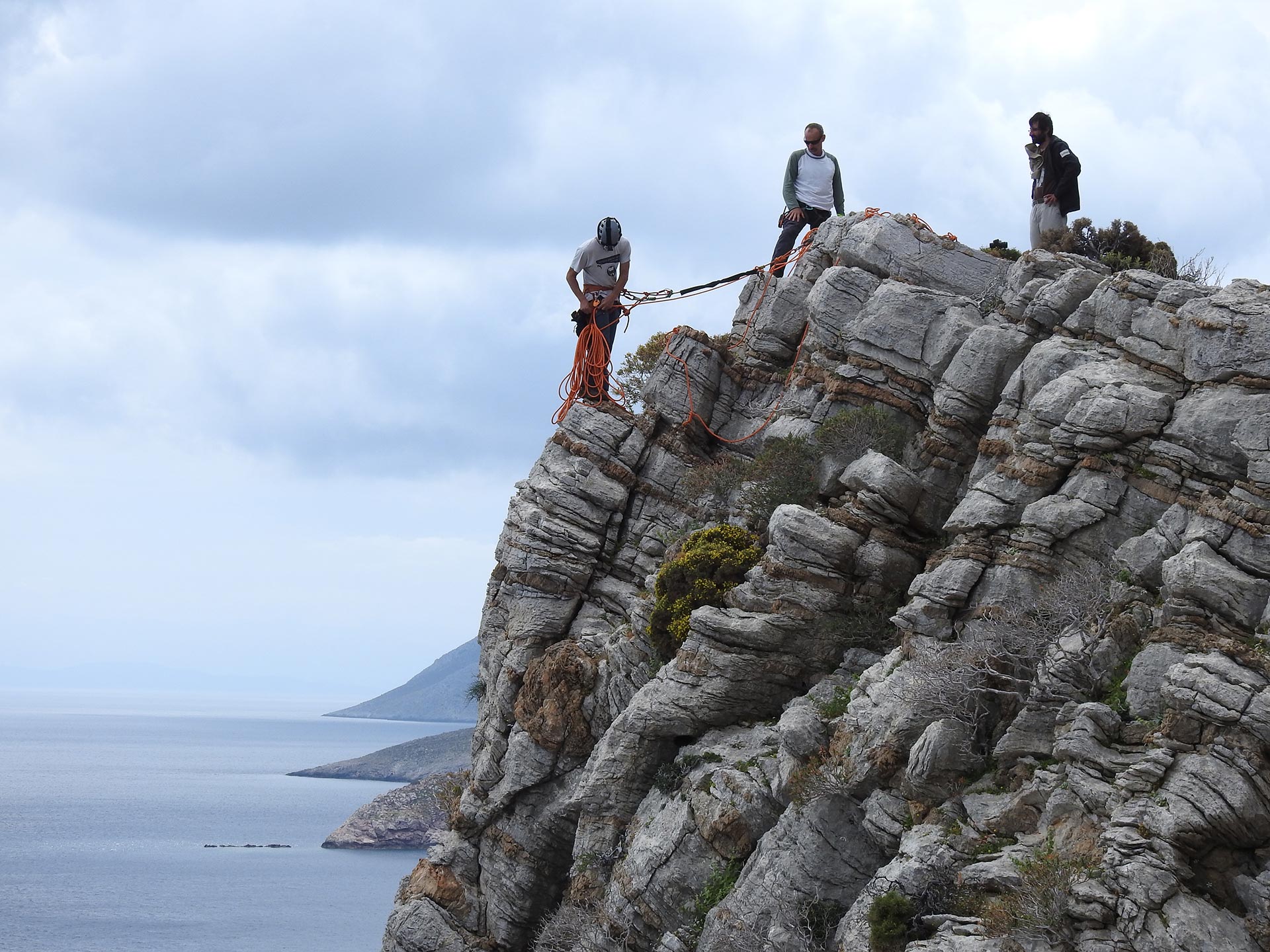
  3. Regulation of climbing and other recreational activities. HOS, in collaboration with the HFMC, the Hellenic Federation of Mountain Guides and the Hellenic Federation of Speleology, will prepare a tool for informing climbers, hikers and canyoners of sensitive areas in sites where this kind of activities already exist, in close proximity to nests. The tool produced will be a web-based interactive map that will enable everyone interested in visiting the project areas to check the potential of disturbance in advance
  4. Regulation of hunting activities and creation/redesign of Wildlife Refuges.


Actions targeting towards the increase of prey abundance within the eagles’ breeding territories

These actions will include:

  1. Cultivation of traditional varieties of crops in order to increase prey availability within the Bonelli’s Eagles’ breeding territories.
  2. Installment or repair of watering sites for wildlife.
  3. Creation of forest openings
  4. Regulation of hunting activities by small (in both spatial and temporal scale) hunting prohibition.


Reduction of direct mortality, through infrastructural interventions

In order to achieve the reduction of mortality for Bonelli’s Eagles’ in both breeding and dispersal areas, the following actions are going to be implemented:

  1. Installation of insulators on dangerous pylons and markers at power lines
  2. Interventions in water reservoirs in order to minimize drowning incidents (escape ladders and floating platforms)
  3. Reduction of secondary poisoning by the establishment of special trained dog-units for poison detection
  4. Provision of expert care for rehabilitation of injured/sick or poisoned individuals


Production of a Good Practice Guide and a Spatial Planning Tool concerning energy power lines and wind farm siting


Establishment of Eastern Mediterranean Bonelli's Eagle Network (EMBONet)

EMBONet will include stakeholders, competent authorities and NGOs of the 2 project countries and the wider region, divided into three sub-groups according to separate thematics (monitoring, management, mitigation & policy). It is a modern multi-purpose species conservation action involving participatory hands on capacity building, training and coordination of conservation intervention activity, expected to have multiple positive effects for the species conservation throughout then region.


Monitoring of the impact of the project actions

The action includes the monitoring activities for estimating the project’s impact on the Bonelli’s eagle and the threats it faces, LIFE project performance indicators, as well as, to determine replicability and transferability of the project’s know-how, methods.


Public awareness and dissemination of results

The action will focus to all target groups identified by the project. The main goal of the campaign will be to increase the popularity of the Bonelli’s eagle (BE), the awareness of the threats it faces, to communicate to the public the importance of the Natura 2000 Network for wildlife and its ecosystem services. Namely the actions will include:

  1. Public awareness campaign and production of communication material and special publications
  2. Engagement of the educational community
  3. Networking with other LIFE projects
  4. Implementation of Replicability and Transferability Plan


Project management and coordination Actions

The Action includes activities on the management of the working team, the monitoring of the project’s progress and the production of the After-LIFE conservation and communication plans.


dsc 00132F330CD4

More
By

Expected results

Through the Project’s Actions it is expected that around 40% of the Greek and Cypriot Bonelli’s Eagle population will be immediately benefited. This percentage accounts for more than the 30% of the eastern mediterranean population and more than 5% of the total european population of the species.

Nevertheless, the 100% of the eastern mediterranean population is going to be indirectly benefited by the Project, through the monitoring and conservation actions as well as the networking activities and the development of decision tools.

The Project’s goals in numbers:

  • Tagging with satellite transmitters of at least 80-100 individuals of Bonelli’s Eagles in Greece and Cyprus
  • Insulation of 300 dangerous electricity pylons and marking of at least 16km of electricity network cable lines in Greece and Cyprus
  • Installation of special devices for the avoidance of drowning incidents in at least 62 open-surface water reservoirs
  • Establishment of 3 trined dog units for the investigation and prevention of poisoning incidents
  • Reduction of disturbance in at least 30 nesting areas through regular monitoring of the nests, road closure, regulation of climbing activities and redefining or expansion of at least 6 Wildlife Refuges
  • Increase of prey abundance within Bonelli’s Eagle breeding areas by cultivations covering a total area of at least 597ha, installation or repair of at least 173 watering sites for wildlife and creation of openings in a minimum of 20ha and 5 ha in forest and shrublands respectively. In addition regulation of hunting activities in at least 3 areas in Greece
  • Promotin and support of at least 5 efforts for replication and transfer of the Project’s actions and methods by third parties, by its end
  • Securing of continuation for the Project’s Actions by the recruitment of a minimum of 30 stakeholders
  • Reaching through an extensive campaign on media of at least 280.000 individuals and direct approach of at least 20.000 individuals
  • Training of a minimum of 100 employees working on the environmental authorities, on species’ conservation and habitat management thematics
  • Participation of at least 100 volunteers in the implementation of conservation and management actions in the Natura 2000 network
  • Engagement and behavioral change of at least 20% of the main recreational activities groups using Bonelli’s Eagles’ breeding areas including climbers, hunters, dog trainers etc.


More
By

The Project Team

Coordinating Beneficiary:

University of Crete - Natural History Museum of Crete

logo 8

Natural History Museum of Crete (NHMC) was established as a department of the Faculty of Science of the University of Crete since 1980, being a pioneer institute at national and European level in several aspects of biological and geological diversity. The first aspect regards research on the environment of the Eastern Mediterranean at all levels, i.e. from basic to applied research, from the cellular to the level of the ecosystems, and from state of the art applications and techniques to management of protected areas and continuous interventions on environmental issues of local and national interest.

The NHMC focuses in studying aspects of the Eastern Mediterranean diversity in the fields of Geology, Palaeontology, Ecology, Evolution, Biogeography, Phylogeography, Phylogenetics, Systematics and Taxonomy. At present, four departments are fully operational: The Zoological, the Botanical, the Mineralogical and the Geological combined with the Paleontological department. It is the only Natural History Museum in Greece, dealing with all aspects of natural environment and occupies a significant number of specialists in biological and geological diversity. In NHMC permanent Exhibition Halls, of 3500 m2, in the city of Heraklion, Crete, the natural environment of the eastern Mediterranean area with special emphasis on Greece and Crete, is displayed. Additionally, having participated and participating in several national, European and international conservation and management projects concerning protected areas and priority species, NHMC has a vast in the field of conservation and management in Crete, with great results.

In 2012, NHMC was awarded by the Emmanuel Benakis prize of the Academy of Sciences in Athens for its complex educational, research, writing and publishing deed, its exemplary organization and structure that designate it as one of the most significant, for its specialty, museum globally, in which scientific research is being advanced and make it equivalent to similar foreign institutions and education sites. Also, NHMC was awarded the Certificate of Excellence of 2013 by TripAdvisor as the NHMC became by the visitors as one of the excellent tourist destinations worldwide.


Associated Beneficiaries:

Hellenic Ornithological Society / BirdLife Greece
logo EOE curved

HOS/BirdLife Greece was founded in 1982 and is a Non-Governmental, nation-wide, non-profit Organization, focusing on the study and protection of wild birds and their habitats, as integral elements of Greek Nature.

Since 1982, HOS strives to safeguard a sustainable environment where birds and people may live in harmony. HOS main activities include the study and protection of wild birds, work towards the conservation of Important Bird Areas in Greece, raise public awareness, enhance environmental education, as well as advocate and intervene in environmental policy.

HOS is a partner of BirdLife International, the largest global partnership for the conservation of wild birds and their habitats.

The long-term conservation work of HOS has led to the identification of 208 IBAs, that represent the 24% of the Greek territory. Thanks to pressure by HOS, the 57% of these are already protected as Special Protection Areas (SPAs) as part of the EU Natura 2000 network.

HOS has implemented more than 20 LIFE Projects as a coordinator or partner, five of which have been awarded as Best LIFE Nature Projects by the EE. HOS has a long experience in the conservation of numerous raptors species such as Eleonora’s Falcon, Bearded vulture, Griffon vulture, Egyptian Vulture, Lesser Kestrel, Golden Eagle, Bonelli’s Eagle a.o.

HOS has collaborated in many projects with the University of Crete, with NCC and the Greek Ministry of the Environment. Through the Birdlife partnership it has worked together with partners from Cyprus, Israel, Turkey and other East Mediterranean countries. Furthermore, HOS is one of the key partners for the Egyptian Vulture New LIFE Project, dealing with conservation problems of the Easte Med flyway and in this respect will facilitate the synergies among that project and the LIFE Bonelli eastMed.


Ministry of Environment & Energy

General Directorate of Forests and Forest Environment, Directorate of Forest Management, Department of wildlife and game management

logo 7

The Greek Ministry of Environment and Energy works to achieve the protection of the natural environment and resources, the improvement of quality of life, the mitigation and adjustment to the implications of climate change and the enhancement of mechanisms and institutions for environmental governance.

MoE is responsible for the implementation of national and EU environmental legislation, including the implementation of Birds and Habitats Directives. The MoE coordinates central, regional and local government agencies devoted to environmental protection, including permitting authorities for development projects, protected areas Management Bodies (Natura 2000 sites) and Forest Services. The MoE is also responsible for the electricity grid network and renewable energy planning in Greece. The Directorate General for the Development and Protection of Forests and Rural Environment of the Ministry for Environment and Energy is the central Governmental Authority competent for the conservation and management of forests and for wildlife conservation and endangered species and as well as the development of forest policy and its implementation at the country level. Furthermore, it provides guidance and financial support to the regional Forest Services. There is long experience in the implementation of several LIFE+ Projects (e.g. AdaptFor, FutMon, INFORM etc), as well as national projects regarding the protection of forests, biodiversity etc.

The MoE has repeatedly collaborated with the University of Crete and HOS/BirdLife Greece in carrying out species and sites conservation projects, by mobilizing central and local services.


Nature Conservation Consultants Ltd

logo 4

Nature Conservation Consultants (NCC) is a consulting company established in 2010. Its members have coordinated or have contributed in the implementation of more than 12 LIFE projects within the last 15 years, in collaboration with ministries, regional/local public authorities, NGOs and Research Institutes and Universities in Greece and abroad. At present NCC is participating as assoc. beneficiary in 3 LIFE projects related to biodiversity and habitat conservation.

The expertise gained through these projects provides NCC with top level technical capacity and know-how in LIFE project coordination and management, support of project beneficiaries as well as in a number of fields, such as species and habitat assessments and surveys, protected areas management planning, habitat restoration plans, telemetry and habitat mapping, management and analysis of spatial ecological data, including database and GIS development and preparation of guidance conservation documents.

Within the framework of LIFE projects, NCC among others implements biodiversity conservation and public awareness actions targeting mainly on local communities. Such actions include project and ecotourism actions promotion, organization of information events/workshops, production of documentaries and special editions (leaflets, photo album books, etc), as well as creation of exhibition rooms. Emphasis is given to the different target groups of each area with special communication plans and primary social research.

NCC has collaborated in many cases with HOS, the University of Crete and the Greek Ministry of Environment.


Ministry of Agriculture, Rural Development & Environment, Cyprus – Department of Forests
DF Logo General

The Department of Forests (FD) comes under the Ministry of Agriculture, Rural Development and Environment of Cyprus and has a dual role: (i) manager of state forest land and (ii) implementation of national forest legislation and policy. In this framework the FD is engaged with forest fire protection, management, landscape and nature conservation, reforestations and management of state forests that are part of the Natura 2000 network.

The FD has long experience in implementing various European co-funded projects including LIFE projects, EEA Grant Projects etc. Currently is involved in the implementation of at least 6 running projects most of which have a nature conservation content.

FD has successfully collaborated with the University of Crete in many projects and is expected to effectively contribute in the implementation of project actions within the Forest habitats of Cyprus. It is also expected to enhance the Greek Ministry’s of Environment capacity (especially forest service personnel) in carrying out Bonelli’s eagle conservation activities, by integrating them within their regular conservation programme.


Ministry of Interior, Cyprus – Game & Fauna Service
GFS Logo English

The Game & Fauna Service (Game Fund) of the Ministry of Interior is responsible for the conservation of all wild birds (game and non-game) and their sites (Special Protection Areas) through the implementation of Law 152 (I)/2003 which transposes the European Birds Directive 2009/147/EC. It also manages and regulates all hunting activity in Cyprus (birds and mammals). Furthermore, it is responsible for the conservation of the Cyprus Mouflon Ovis orientalis ophion which is protected under the EU Directive 92/43/EEC. The following are the main sectors of Game & Fauna Service (Game Fund) conservation activities:

  • Protection and conservation of wild birds in areas where the Republic of Cyprus exerts effective control
  • Protection and conservation of SPAs (Natura 2000 sites established for birds)
  • Habitat improvements (creation of food plots with winter cereals especially for game birds, nesting box establishment for nocturnal birds of prey, establishment of a network of watering sites in areas that lack summer surface water, etc.)
  • Declaration of Wildlife Conservation Areas (WCA) where hunting is prohibited (sensitive habitats such as wetlands, important raptor nesting cliffs, Cyprus mouflon habitat, river valleys, etc) have been declared as WCAs (about 30% of Government-controlled land in Cyprus)
  • Law enforcement concerning wildlife law violations (campaign against Illegal bird trapping, poaching, shooting of protected species, hunting in WCAs, etc)
  • Mandatory Hunter education courses for new hunters (since 2004) and convicted wildlife law violators
  • Research (Mouflon, breeding diurnal Raptors, breeding nocturnal Raptors, Annual population surveys, Monthly water bird surveys, Hunter Harvest Surveys, etc.) and publication of results in conferences and/or journals
  • School presentations on topics such as Cyprus wildlife, Wetlands of Cyprus, Biodiversity, Bird trapping, Mouflon conservation, etc.


Co-funders:

EU - LIFE Programme
LOGOS Bonelli EN Life Natura RGB all3

Green Fund

PRASINO TAMEIO logo en

A.G. Leventis Foundation

LOGO LEVENTIS CMYK ENG

BirdLife Europe & Central Asia

BirdLife Europe logo

More
By

The LIFE Programme

LIFE Programme Logo

LIFE Nature and Biodiversity is one of the main strands of the European Union’s funding programme for the environment. It supports projects that contribute to the implementation of the EU's Birds and Habitats Directives, the Natura 2000 network and that contribute to the EU's goal of halting the loss of biodiversity.

Find out more at: https://cinea.ec.europa.eu/life_en

More
By

The Natura 2000 Network

natura 2000

The NATURA 2000 network is regarded as the cornerstone of EU nature and biodiversity policy. The EU biodiversity strategy sets two main targets for 2020: namely to halt and reverse the biodiversity loss within the territories of EU member states. The principal statutory tools supporting these targets are the Council Directives 92/43/EEC and 2009/147/EC. A keystone outcome of the Council Directives 92/43/EEC and 2009/147/EC, commonly called the “Habitats” and “Birds” directives has been the designation and management of the NATURA 2000 sites network aiming to the development of best practices for the maintenance and restoration of their biodiversity.

It is only in the late nineties that EC‘s Habitats Directive 92/43 -transposed into Greek law as late as 1998- provided a strong base for the species‘environmental protection. Since Article 3 of Law 1335/1983 (Governmental Gazette 32/Α΄/14-03-1983) was published, Greece is obliged to take the necessary measures to implement the national policy of conservation of wild flora and fauna and their natural habitats, with particular attention to species that are threatened with extinction or at risk. This applies especially to endemic species and endangered habitats in accordance with the provisions of the Bern Convention.

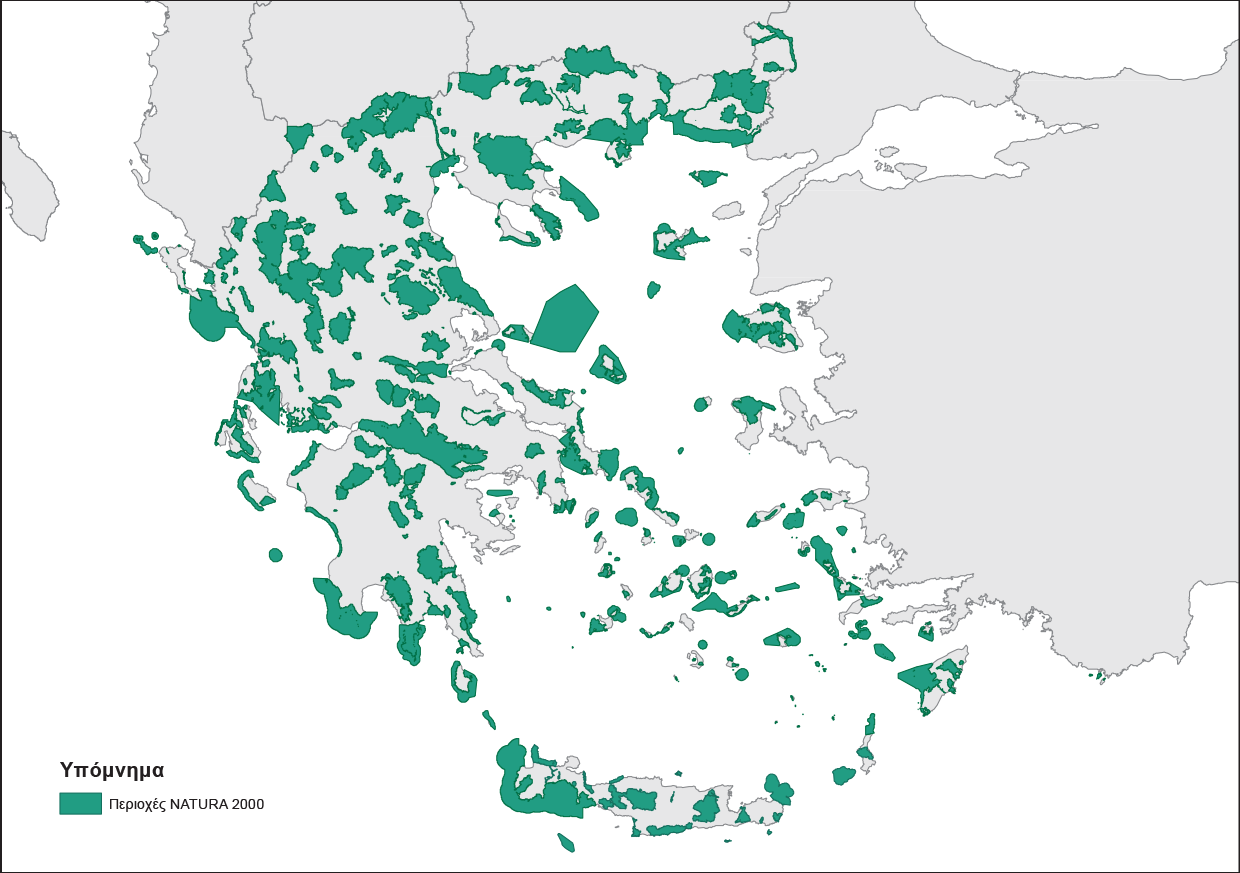
The Project is implemented in 22 Natura 2000 sites in Greece and Cyprus.

map1 Natura2000

Map: Natura 2000 sites in Greece (HOS)

More info for the Natura 2000 Network: https://ec.europa.eu/environment/nature/natura2000/index_en.htm & https://geodata.gov.gr/en/dataset/to-diktuo-natura-2000-kai-prostateuomenes-periokhes (in Greece)

More
Beneficiary:
Partners:
With the contribution of:
LF-LOGO_CMYK_ENG logo BirdLife International

The LIFE Bonelli eastMed project “Conservation & Management of the Bonelli's eagle population in east Mediterranean” will address the most critical threats to Bonelli’s eagle populations in Greece and Cyprus. The overall objective is to ensure the long-term favourable conservation status for the species’ interconnected local populations, through the establishment and operation of the East Mediterranean Bonelli’s Eagle Network.

The project is implemented by the Natural Museum of Crete - University of Crete, the Game and Fauna Service (Game Fund) - Cyprus, the Hellenic Ornithological Society/BirdLife Greece, the Ministry of Environment & Energy - Greece, the Department of Forests - Cyprus and the NCC Environmental Studies Ltd with the financial contribution of the LIFE instrument of the EE.

For conservation issues:
+30 2810 393292
For Communication issues:
+30 210 8228704 & +30 210 8227937

This email address is being protected from spambots. You need JavaScript enabled to view it.

University of Crete - Natural History Museum of Crete, Knossos Avenue Premises, 71409 Heraklion, Crete

X

Right Click

No right click